
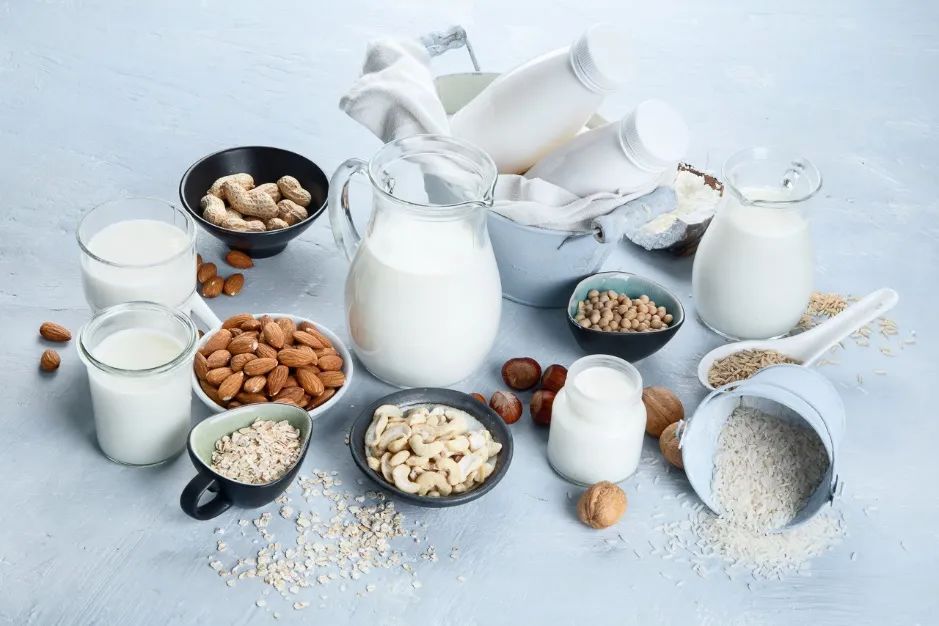
In the landscape of the global food supply chain, the plant protein sector is navigating a historic turning point. According to recent industry analysis, the sector has officially entered a designated “active period of innovation”. For manufacturers and stakeholders across the value chain, this signals more than just market expansion—it represents a comprehensive test of technological iteration and production efficiency.
Data Perspective: The Logic Behind Explosive Growth
Reviewing market performance over the past few years, plant protein has demonstrated remarkable resilience and vitality. Data shows that the market size has climbed steadily from 20.43 billion in 2018 to reach 28.44 billion in 2024.
Significantly, this growth is not uniformly distributed but appears as structural bursts. While the industry maintains a solid baseline growth of 2%-3%, specific high-innovation sectors have jumped to 6%-10% and even 15%-30%. In certain breakthrough niche categories, we are even observing staggering growth rates of up to 40%.
Health Drivers and the Global Supply Chain
The driving force behind this surge lies in a consumer re-evaluation of health values. Research indicates that plant protein offers significant advantages in improving cardiovascular health, specifically in reducing LDL (Low-Density Lipoprotein) levels. Furthermore, new generations of plant protein technology are achieving conversion efficiencies of up to 50% for specific nutritional indicators, ensuring more efficient nutrient intake.
Within this global wave of innovation, the Chinese market is transforming from a mere consumer base into a critical hub for the global supply chain. Leveraging deep technical accumulation in raw material extraction and textured protein processing, this region is providing high-quality innovative cornerstones for global brands, pushing plant-based products toward more diverse and complex forms.

The Final Frontier: From Lab to Shelf
However, as the industry solidifies its “active innovation period,” the increasing complexity of product forms poses new challenges for the production end. As plant protein products evolve from traditional powders to wet-extrusion meat analogues or high-fat plant-based dairy, locking in bio-activity and flavor becomes the critical final step.
Plant protein raw materials are often highly sensitive to oxygen and humidity. If the packaging process suffers from poor sealing or physical compression, it can shorten shelf life and directly compromise the core nutritional value that consumers pay for.
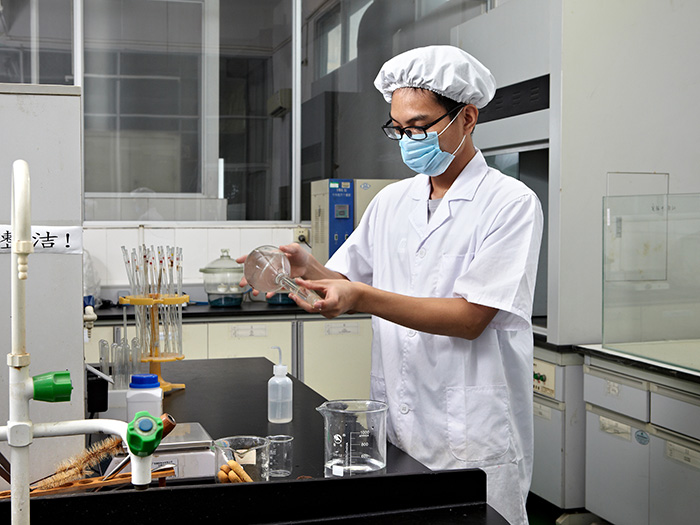
This is where HY Pack plays a pivotal role in the supply chain.
Facing high-growth segments surging at 15%-30% or even 40%, traditional manual or low-speed packaging lines can no longer meet the demands of large-scale delivery. HY Pack specializes in providing intelligent backend packaging solutions tailored for plant protein foods:
1.High-Airtight Protection: Our automated equipment is designed for sensitive foods, utilizing precision temperature-controlled sealing technology to effectively block oxygen and preserve the antioxidant properties of plant proteins.
2.Flexible Production: Whether handling powders, granules, or irregularly shaped plant-based meat chunks, HY Pack machinery adapts flexibly to ensure zero product breakage during high-speed operation.
3.Capacity Matching: We help enterprises seamlessly handle order surges, ensuring your innovative products reach global clients in perfect condition.
In the multi-billion dollar race for plant protein dominance, premium raw materials require premium packaging protection. HY Pack stands ready to be the solid backbone of your innovation journey, helping you lock in this new wave of growth.